 RAYFUEL
 Bosch 0445110 Series Injector Installation Guide
Learn how to prepare, install and check Bosch 0445110 series common rail diesel injectors, including fuel system cleaning, injector coding, filter replacement, wiring inspection and first startup checks.
This Bosch injector installation guide explains the basic preparation, installation steps and startup checks for Bosch common rail diesel injectors. Correct installation requires a clean fuel system, proper fuel filter replacement, correct injector coding and careful electrical inspection.
Bosch common rail injectors are precision diesel fuel system parts. Before replacing or installing an injector, always confirm the Bosch part number, OE number, injector code and engine application. Correct installation can help prevent hard starting, rough idle, black smoke, fuel leakage and injector damage.
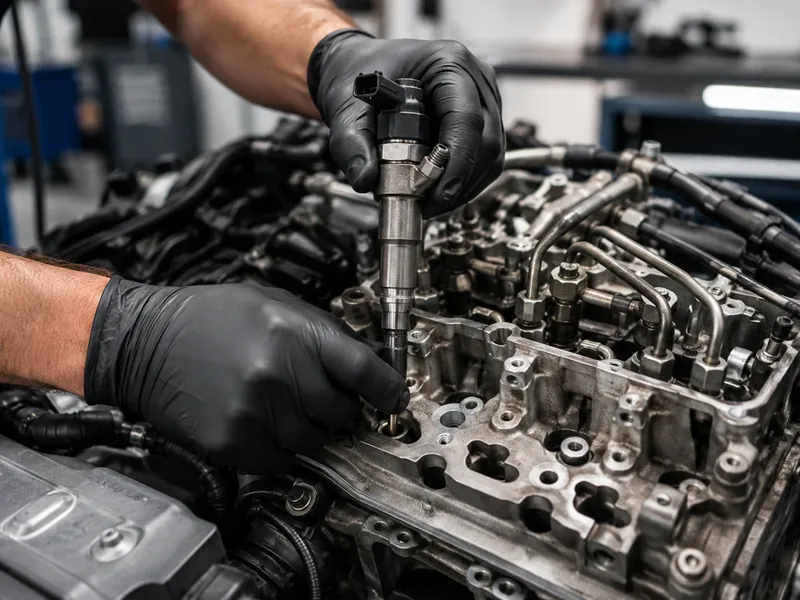
Quick Summary
Bosch injector installation should always start with fuel system cleaning, new diesel filters and correct injector code confirmation. A clean fuel system helps protect the injector nozzle, control valve and internal precision parts.
During installation, remove air from the fuel system, tighten the injector according to the OEM service manual, and check all electrical plugs before starting the engine.
Before Installing a Bosch Injector
Before installation, the diesel fuel system must be clean. Common rail injectors have very small internal clearances, so dirt, metal particles, water or poor-quality fuel can quickly damage the injector.
Cleanliness is one of the most important parts of Bosch injector installation. If the old injector failed because of fuel contamination, installing a new injector without cleaning the system may cause the same problem again.
Clean the Fuel System
Clean the diesel fuel tank and make sure there is no dirt, rust, water or fuel residue inside the tank. The fuel supply line, return line, high-pressure fuel pump, low-pressure fuel pump, fuel level unit and common rail pipe should also be checked and cleaned when necessary.
Keep the fuel system clean during the whole installation process. Do not leave fuel pipes, injector ports or rail openings exposed to dust.
Important: Do not install a new Bosch injector into a dirty fuel system. Contaminated diesel fuel can damage the injector nozzle, control valve and internal precision parts.
Replace Diesel Filters
Replace the diesel fuel filter and water separator before installing the injector. Use OE-quality filters or high-quality diesel common rail filters designed for electronic fuel injection systems.
Low-quality filters may not remove fine particles effectively. This can allow contamination to enter the injector and high-pressure fuel system.
- Replace the diesel fuel filter.
- Replace or service the water separator.
- Use clean diesel fuel only.
- Check for water, rust or dirt in the fuel system.
Confirm the Injector Number and Coding
Before installation, confirm that the injector matches the vehicle or engine. Bosch common rail injectors may look similar, but the part number, flow characteristics and coding requirements can be different.
Check the Bosch number, OE number and injector coding information before installation. The top marking area may show the Bosch part number, vehicle manufacturer OE reference and injector compensation code.
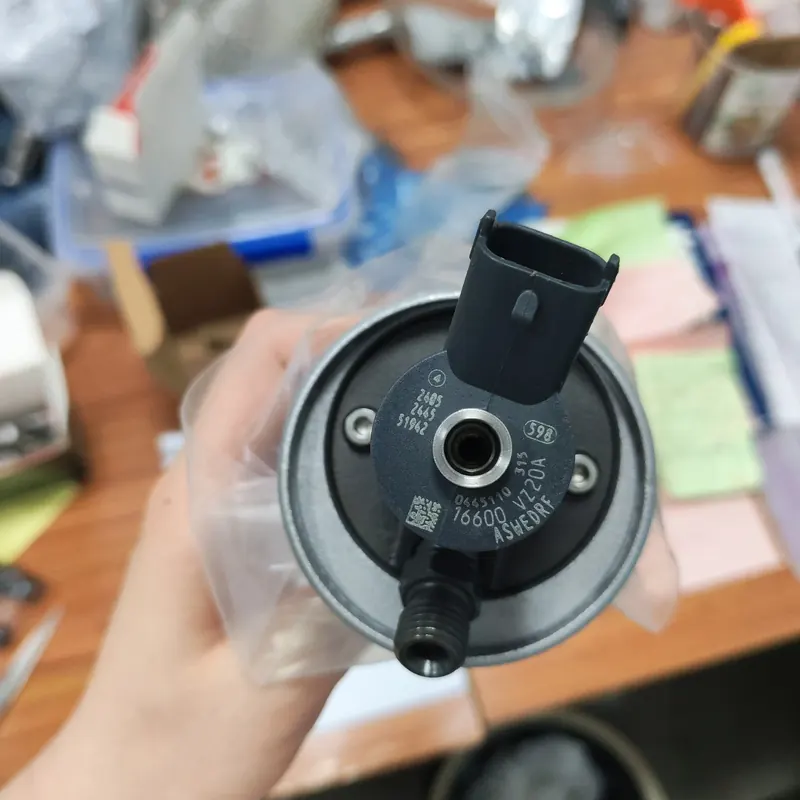
Enter the Injector Compensation Code
Many Bosch common rail injectors require injector coding after installation. The injector compensation code should be entered into the ECU using a suitable diagnostic tool when required by the vehicle system.
Injector coding helps the ECU adjust fuel quantity correction for each injector. If coding is skipped on engines that require it, the engine may have rough idle, poor fuel economy, smoke, knocking noise or uneven running.
Always check whether the vehicle requires injector coding. If required, enter the correct injector compensation code with a professional diagnostic tool.
Bosch Injector Installation Steps
- Prepare the injector and cylinder head. Make sure the injector seat, sealing washer area and mounting hole are clean.
- Place the injector into the cylinder head carefully. Do not force the injector into position.
- Keep the injector electrical connector disconnected at first. This helps avoid accidental electrical issues during initial setup.
- Connect the high-pressure fuel inlet connector. Position the connector correctly, but do not fully tighten it before air bleeding.
- Bleed air from the fuel system. Make sure fuel supply is stable and air is removed from the system.
- Tighten the injector correctly. Use a suitable wrench and tighten according to the vehicle manufacturer specification.
- Connect the injector wiring plug. Make sure the plug is fully seated and locked.
- Check all related connectors. Inspect the injector harness, rail pressure sensor plug and metering unit plug.
Torque values can vary by engine and injector installation design. Always follow the OEM repair manual for the exact engine. Do not rely on one torque value for all applications.
Electrical Connection Check
After Bosch injector installation, check the electrical connections carefully. A loose or corroded connector can cause misfire, injector fault codes, rough running or no-start problems.
- Check that the injector plug is fully connected.
- Check the wiring harness for damage or loose pins.
- Check the rail pressure sensor connector.
- Check the fuel metering unit connector.
- Look for corrosion, bent pins or poor contact.
Checks Before Starting the Engine
Before starting the engine, check the injector wiring, fuel pipe connections and fuel system again. Make sure the fuel tank contains clean diesel and the fuel system is not blocked.
Do not start the engine if there is fuel leakage, loose wiring or incorrect pipe installation. Correct the issue first.
| Check Item | What to Confirm |
|---|---|
| Fuel tank | Clean diesel fuel, no water, dirt or rust contamination |
| Fuel filter | New or clean high-quality diesel filter installed |
| Injector code | Correct compensation code entered when required |
| High-pressure pipe | Correctly connected and tightened according to the service manual |
| Injector connector | Plug fully seated, no loose pins or corrosion |
| Fuel leakage | No leakage before engine start |
First Start and Running Check
When starting the engine for the first time after Bosch injector installation, observe the engine carefully. If the engine is difficult to start, runs roughly, makes abnormal noise or shows fuel leakage, stop the engine and inspect the system.
During running, check whether the injector is working normally. Pay attention to idle stability, exhaust smoke, fuel leakage, abnormal knocking noise and diagnostic fault codes.
- Check for fuel leakage around the injector and fuel pipe.
- Check idle stability.
- Check for abnormal smoke.
- Check for injector-related fault codes.
- Check whether injector coding was accepted by the ECU.
Maintenance After Installation
After installation, regular maintenance is important. Replace diesel filters on time and use clean fuel. Poor fuel quality is one of the most common reasons for injector failure.
It is also useful to check injector correction values, return flow and leakage when diagnosing engine performance issues. A professional diesel test bench or diagnostic tool may be required for accurate testing.
Common Problems After Injector Installation
| Problem | Possible Cause |
|---|---|
| Hard start | Air in fuel system, low rail pressure, incorrect coding or fuel leakage |
| Rough idle | Injector code not entered, wiring issue or incorrect injector matching |
| Black smoke | Poor atomization, incorrect fuel quantity, engine air system issue or injector fault |
| Low power | Fuel pressure issue, injector flow problem, clogged filter or incorrect application |
| Injector fault code | Loose plug, wiring damage, wrong coding or injector electrical issue |
Need Help with Bosch Injector Matching?
If you are not sure whether a Bosch injector is correct for your engine, send us the Bosch number, OE number, engine model and clear photos of the injector. Our team can help check compatibility before quoting.
This Bosch injector installation guide helps buyers and repair shops reduce installation mistakes caused by dirty fuel, incorrect coding or loose electrical connections.